

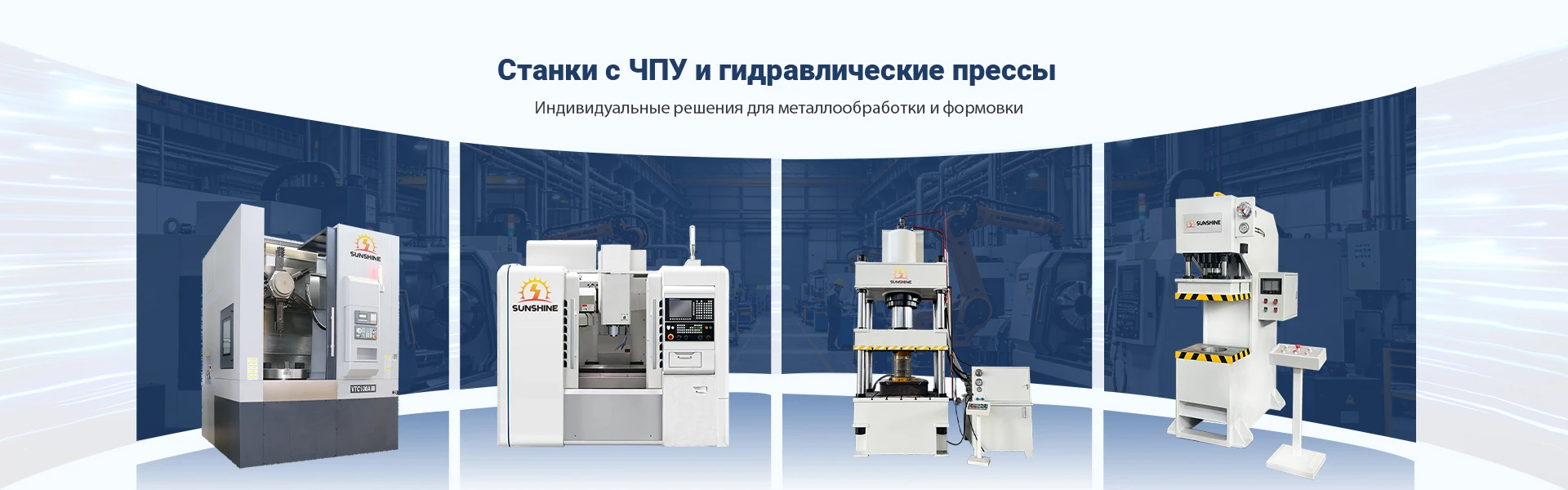
After a workpiece is clamped once on a machining center, the numerical control system automatically manages various machining steps: selecting and changing tools, adjusting spindle speed and feed rates, controlling the tool's movement path relative to the workpiece, and executing other auxiliary functions. This enables the sequential completion of multiple machining operations across several faces of the workpiece. With versatile tool-changing and tool-selection capabilities, production efficiency is significantly enhanced.
A vertical machining center is defined by a spindle axis oriented perpendicular to the worktable; it is primarily suited for machining complex parts such as plates, discs, molds, and small housings. These centers can perform operations including milling, boring, drilling, tapping, and thread cutting. While they feature a minimum of three axes with two-axis simultaneous control, they typically support three-axis simultaneous control, with some models offering five- or six-axis capabilities. A limitation of vertical machining centers is the restricted height of the column, which limits the machining range for box-type workpieces. However, they offer distinct advantages: workpiece clamping and positioning are convenient; tool paths are easily observed, facilitating program debugging, inspection, and measurement-allowing for the timely detection of issues and immediate corrective action; cooling conditions are easily established, ensuring cutting fluid reaches the tool and machining surface directly; the three coordinate axes align with the Cartesian coordinate system, providing an intuitive perspective consistent with engineering drawings; and chips are easily cleared, preventing scratches on the machined surface. Compared to their horizontal counterparts, vertical machining centers feature a simpler structure, a smaller footprint, and a lower cost.


