

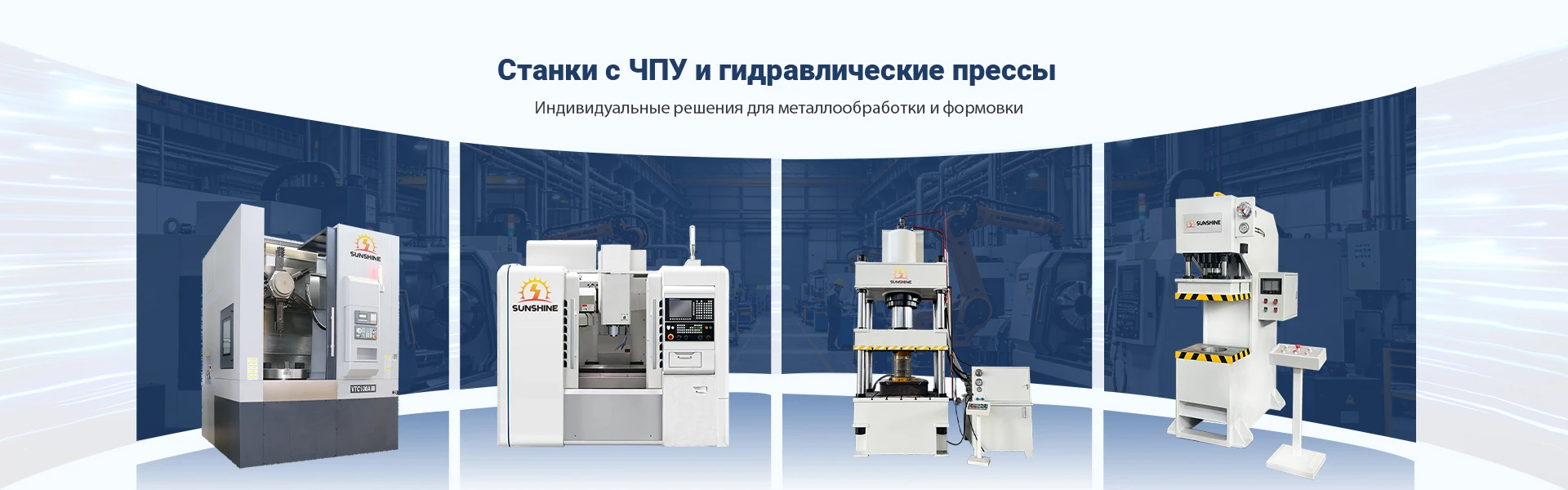
Vertical
A vertical machining center is one in which the spindle is oriented vertically. Its structural design typically features a fixed column and a rectangular worktable without indexing or rotary capabilities, making it suitable for machining disc, sleeve, and plate-type parts. It generally possesses three linear motion axes, though a rotary table capable of rotating around a horizontal axis can be mounted on the worktable to machine helical components.
Vertical machining centers offer convenient workpiece clamping, ease of operation, good visibility of the machining process, and straightforward program debugging, leading to widespread application. However, due to limitations regarding column height and the tool-changing mechanism, they are unsuitable for machining excessively tall parts. Furthermore, when machining cavities or recessed surfaces, chip evacuation can be difficult; poor chip removal may damage the cutting tool and the machined surface, thereby disrupting the machining process.
Horizontal
A horizontal machining center is one in which the spindle is oriented horizontally; it is usually equipped with an automatic indexing rotary table. These machines typically feature 3 to 5 motion axes-most commonly three linear axes and one rotary axis. After a single clamping setup, the machine can process four surfaces of the workpiece (excluding the mounting surface and the top surface), making it ideal for machining box-type parts. Compared to vertical machining centers, horizontal machining centers facilitate easier chip evacuation, which benefits the machining process; however, they feature more complex structures and come at a higher price point.


